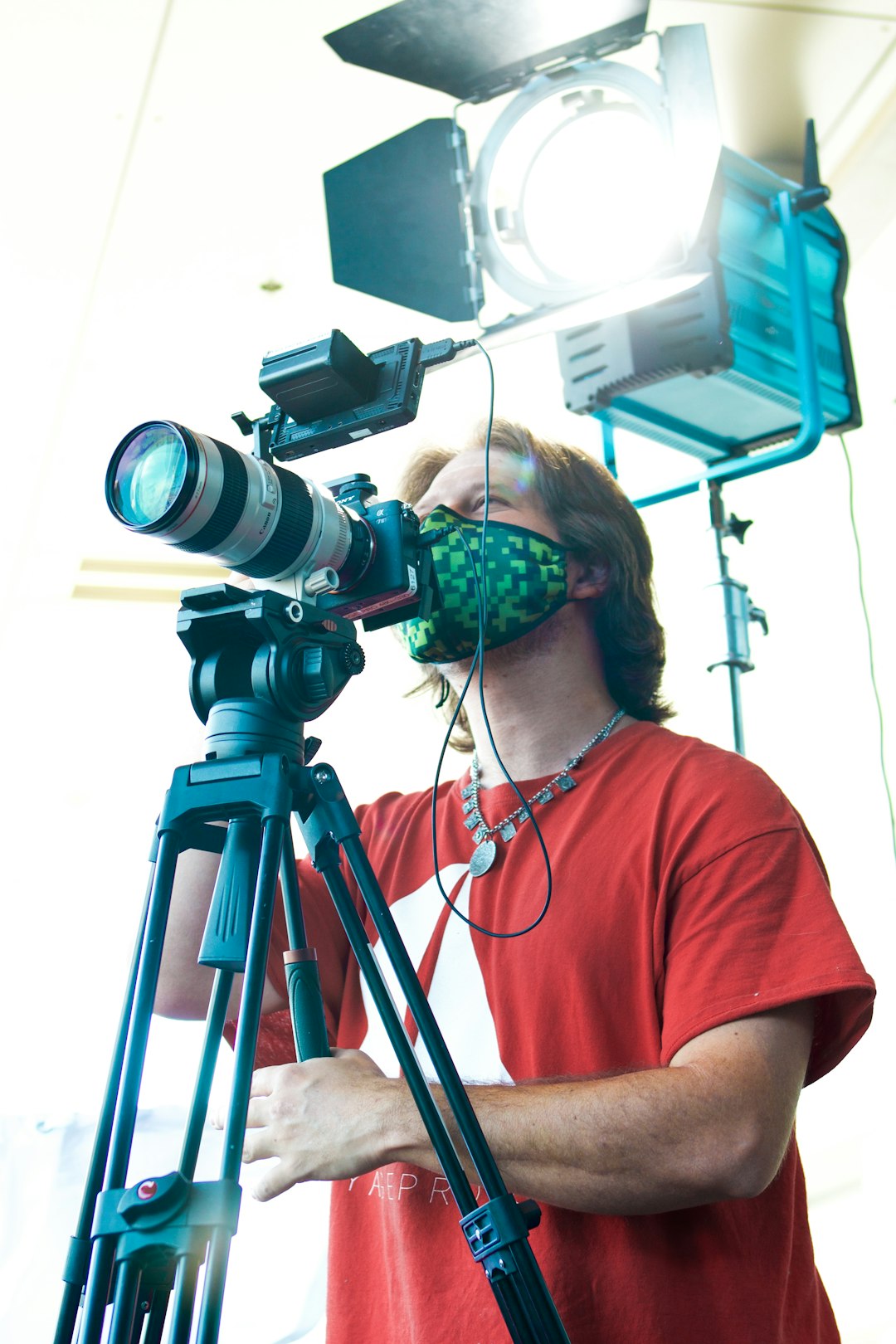
Selecting the right camera for video production can feel overwhelming with countless options spanning various price points, feature sets, and form factors. The perfect camera balances your creative needs, technical requirements, and budget constraints while providing room for growth as your skills and projects evolve. This comprehensive guide helps you navigate the complex camera market and make informed decisions.
Understanding your specific production needs forms the foundation of smart camera selection. Different project types demand different capabilities, and matching camera features to your actual shooting scenarios prevents wasting money on unnecessary features while ensuring you have the tools required for success.
Understanding Camera Types
The video production landscape offers several distinct camera categories, each with unique advantages and limitations. DSLR cameras originally designed for photography have become popular video tools thanks to large sensors, interchangeable lenses, and relatively affordable prices. These cameras deliver excellent image quality and shallow depth of field effects that create cinematic looks.
Mirrorless cameras represent the evolution of DSLR technology, eliminating the mechanical mirror system for more compact bodies and advanced features. These cameras offer superior autofocus systems, electronic viewfinders with real-time exposure previews, and often better video specifications than comparable DSLRs. Popular models like the Sony A7 series and Panasonic GH6 have become industry standards for independent filmmakers and content creators.
Cinema cameras prioritize video capture with dedicated cooling systems, professional codecs, extensive manual controls, and modular designs. Brands like Blackmagic, RED, and ARRI produce cameras specifically engineered for professional film and television production. These cameras offer superior color science, raw recording capabilities, and professional connectivity but typically cost significantly more and require additional accessories.
Camcorders combine camera body, lens, and recording system in integrated packages optimized for video work. Modern camcorders offer long recording times, built-in stabilization, extensive zoom ranges, and professional audio inputs. While they may lack the cinematic aesthetic of large-sensor cameras, camcorders excel for event coverage, documentary work, and situations requiring reliable, extended recording.
Sensor Size Considerations
Sensor size profoundly impacts image quality, low-light performance, and depth of field characteristics. Full-frame sensors measuring 36mm x 24mm deliver exceptional image quality, excellent low-light capability, and shallow depth of field that isolates subjects beautifully. However, full-frame cameras and lenses cost more and produce files requiring substantial processing power.
Super 35mm or APS-C sensors offer an excellent balance between image quality and affordability. These sensors provide good low-light performance and pleasing depth of field while remaining more manageable in terms of file sizes and lens costs. Many professional productions utilize Super 35mm sensors, proving you don't need full-frame for professional results.
Micro Four Thirds sensors found in cameras from Panasonic and Olympus offer compact system sizes and deep depth of field beneficial for documentary work and situations requiring extensive focus range. While these sensors show more limitations in low light compared to larger formats, modern sensor technology and image processing have narrowed the gap considerably.
Resolution and Frame Rate Requirements
4K resolution has become the standard for professional video production, offering approximately four times the pixel count of 1080p HD. Shooting in 4K provides flexibility for cropping, digital stabilization, and future-proofing your content. Even if your final delivery format is 1080p, capturing in 4K allows downsampling that improves perceived sharpness and detail.
Higher frame rates enable smooth slow-motion effects. Standard 24fps provides a cinematic look, 30fps suits most video content, and 60fps allows subtle slow-motion at half speed. Cameras offering 120fps or higher frame rates provide dramatic slow-motion capabilities popular in sports, action, and creative productions. Consider whether your typical projects benefit from slow-motion capabilities when evaluating cameras.
Some cameras now offer 6K or 8K recording, providing extreme resolution for cropping flexibility, VFX work, and large-screen display. However, these formats require powerful computers for editing, generate massive file sizes, and may exceed the practical needs of most productions. Evaluate whether the workflow challenges justify the additional resolution for your specific use cases.
Codec and Color Science
Video codecs determine how cameras compress footage, affecting file sizes, editing performance, and image quality. H.264 codecs offer efficient compression and broad compatibility but can show artifacts during heavy color grading. H.265 (HEVC) provides better compression ratios but requires more processing power for editing.
Professional codecs like ProRes and RAW formats preserve maximum image information, offering extensive grading flexibility and minimal quality loss. These formats generate very large files requiring fast storage media and powerful editing systems. Consider whether your projects require professional codecs or if more efficient options suffice for your needs.
Color science refers to how cameras interpret and reproduce colors. Some manufacturers like Canon and ARRI are renowned for pleasing color reproduction requiring minimal correction, while others may need more extensive grading work. Research camera color characteristics and view sample footage to understand how different cameras render skin tones and various lighting conditions.
Autofocus Performance
Autofocus capabilities vary dramatically between camera systems. Dual Pixel autofocus technology in Canon cameras and phase-detection systems in Sony mirrorless cameras offer reliable, smooth focusing for solo shooters and run-and-gun situations. These systems can track subjects effectively, reducing the technical burden during filming.
Cinema cameras typically lack advanced autofocus, expecting manual focus control or wireless follow-focus systems. While this approach provides maximum creative control, it requires additional skill and often dedicated focus pullers for professional productions. Consider whether you'll typically work solo or with crew when evaluating autofocus importance.
Face and eye detection autofocus has become increasingly sophisticated, automatically identifying and tracking human subjects even in challenging conditions. This technology particularly benefits interview work, vlogging, and situations where maintaining perfect focus manually would prove difficult or impossible.
Image Stabilization Options
In-body image stabilization (IBIS) compensates for camera shake, enabling handheld shooting in situations that would otherwise require tripods or gimbals. Cameras with effective IBIS systems provide 5-7 stops of stabilization, dramatically expanding creative possibilities for documentary work, travel videos, and spontaneous shooting situations.
Electronic image stabilization uses digital processing and cropping to smooth footage. While effective, this approach reduces final resolution and can create unnatural motion artifacts. Some cameras combine IBIS with electronic stabilization for maximum effectiveness, particularly beneficial when using non-stabilized lenses.
Consider your typical shooting scenarios when evaluating stabilization needs. Studio work with tripods requires minimal stabilization, while documentary and event coverage benefit enormously from effective built-in stabilization reducing the need for additional support equipment.
Audio Capabilities
Professional audio inputs and controls differentiate cameras suitable for serious production from consumer models. XLR inputs accept professional microphones directly, while headphone jacks enable real-time audio monitoring. Manual audio level controls provide precise adjustment crucial for maintaining consistent sound quality.
Some cameras offer four-channel audio recording, enabling separate tracks for different microphones or backup recordings at lower levels protecting against distortion. This capability proves invaluable for documentary work, interviews, and any situation where you cannot easily re-record audio if problems occur.
Built-in microphones have improved significantly but rarely match the quality of external microphones. Evaluate whether your typical projects require professional audio capture or if you'll primarily use separate recording devices and sync audio in post-production.
Ergonomics and Handling
Camera ergonomics significantly impact shooting comfort and efficiency during long productions. Larger camera bodies provide better grip and balance with professional lenses but become cumbersome for extended handheld work or travel. Compact mirrorless cameras offer portability but may feel cramped with larger hands or when using professional accessories.
Button and menu layout affects how quickly you access important settings. Well-designed cameras place frequently used controls within easy reach and provide customizable buttons for personalized workflows. Poorly designed interfaces frustrate shooters and increase the likelihood of missing important shots while adjusting settings.
Weather sealing protects cameras from moisture and dust, essential for outdoor work and challenging shooting conditions. Professional cameras typically offer superior weather sealing, though build quality varies even within price ranges. Consider your typical shooting environments when evaluating the importance of environmental protection.
Lens Ecosystem and Long-Term Investment
Lens selection often matters more than camera body choice. Different camera systems offer varying lens ecosystems with distinct characteristics, availability, and costs. Canon and Sony provide extensive first-party and third-party lens options spanning various budgets and specialties. Smaller systems may offer fewer choices but often include excellent quality options covering most common needs.
Investing in quality lenses provides longer-term value than camera bodies, which become obsolete more quickly. A comprehensive lens collection adapted to your shooting style serves you across multiple camera body generations. Research the lens ecosystem for camera systems you're considering and evaluate whether available lenses match your creative vision and budget.
Lens rental services provide access to specialized or expensive lenses for specific projects without major capital investment. ProWave Studios maintains an extensive lens library allowing you to test different options and rent specific lenses for particular productions, making high-end glass accessible regardless of ownership.
Budget Considerations and Recommendations
Entry-level cameras between $500-$1500 like the Canon M50 Mark II, Sony ZV-E10, or Panasonic G85 offer excellent starting points for aspiring videographers. These cameras deliver good image quality, reasonable features, and room for growth while remaining affordable. They work well for YouTube content, personal projects, and learning fundamental videography skills.
Mid-range cameras from $1500-$4000 including the Sony A7 IV, Canon R6 Mark II, or Panasonic S5 provide professional features, superior image quality, and capabilities suitable for paid client work. These cameras balance performance and affordability, offering features like 4K 60fps, excellent autofocus, and robust build quality.
Professional cinema cameras exceeding $5000 such as the Blackmagic Pocket Cinema Camera 6K Pro, Sony FX6, or Canon C70 target serious productions requiring maximum image quality and professional features. These tools justify their cost for established professionals and production companies where image quality and reliability directly impact revenue and reputation.
Conclusion
Choosing the right camera requires balancing numerous factors including sensor size, resolution, features, ergonomics, and budget. The perfect camera matches your specific production needs while providing room for growth. Research thoroughly, watch comparison videos, read user reviews, and ideally test cameras before purchasing. Remember that camera gear matters less than storytelling skills, lighting knowledge, and audio quality.
Consider renting cameras for specific projects or testing potential purchases before committing to significant investments. ProWave Studios offers comprehensive camera rental options allowing you to experiment with different systems and determine what works best for your creative vision and production style. Focus on developing your skills alongside acquiring appropriate equipment, and you'll create compelling content regardless of which camera you ultimately choose.