Lighting stands as one of the most critical yet often overlooked elements in video production. While cameras and lenses capture images, lighting shapes how those images appear, creating mood, depth, and visual interest. Understanding and mastering video lighting techniques transforms amateur footage into professional-quality content that captivates viewers and communicates your message effectively.
Whether you're filming corporate videos, YouTube content, interviews, or creative projects, proper lighting elevates production value dramatically. The good news is that professional lighting doesn't require an enormous budget or complex equipment. With fundamental knowledge and practical techniques, you can achieve stunning results using accessible tools and creative problem-solving.
Understanding Light Quality and Characteristics
Before diving into specific techniques, it's essential to understand the fundamental characteristics of light. Hard light creates strong, defined shadows and comes from small, concentrated light sources like the sun or bare bulbs. Soft light produces gentle, gradual shadows and originates from large, diffused sources like overcast skies or softboxes.
Color temperature, measured in Kelvin, affects the warmth or coolness of your footage. Daylight typically measures around 5600K, producing a neutral white appearance, while tungsten bulbs register around 3200K, creating warmer, orange-toned light. Modern LED panels offer adjustable color temperature, providing flexibility for matching different lighting conditions and creating specific moods.
The Three-Point Lighting System
Three-point lighting forms the foundation of professional video illumination. This classic technique uses three light sources positioned strategically around your subject to create dimensional, flattering lighting that separates subjects from backgrounds and adds visual depth.
The key light serves as your primary light source, positioned at a 45-degree angle from your subject. This light provides the main illumination and establishes the overall exposure. Place it slightly above eye level and adjust the intensity to achieve your desired look. The key light typically produces the strongest illumination and creates the primary shadows that define your subject's features.
Fill light, positioned opposite the key light, softens shadows created by the key light without eliminating them entirely. This light should be less intense than your key light, typically at half or one-third the power. The ratio between key and fill lights determines contrast and dramatically affects the mood of your footage.
Back light, also called rim light or hair light, positions behind your subject, creating separation from the background. This light highlights edges and contours, adding depth and preventing your subject from appearing flat against the backdrop. Proper back lighting creates a subtle glow that makes subjects pop visually.
Natural Light Techniques
Natural light offers beautiful, cost-effective illumination when used properly. Window light provides soft, directional lighting perfect for interviews and intimate scenes. Position subjects near windows during morning or late afternoon when light is softer and more flattering. Use sheer curtains or diffusion material to soften harsh sunlight and reduce contrast.
Golden hour, occurring shortly after sunrise and before sunset, provides warm, magical light that enhances skin tones and creates cinematic atmospheres. Plan shoots during these times for exterior scenes and take advantage of the natural color temperature and quality. Blue hour, the period just after sunset, offers cool, atmospheric lighting ideal for establishing shots and dramatic sequences.
Lighting Equipment Essentials
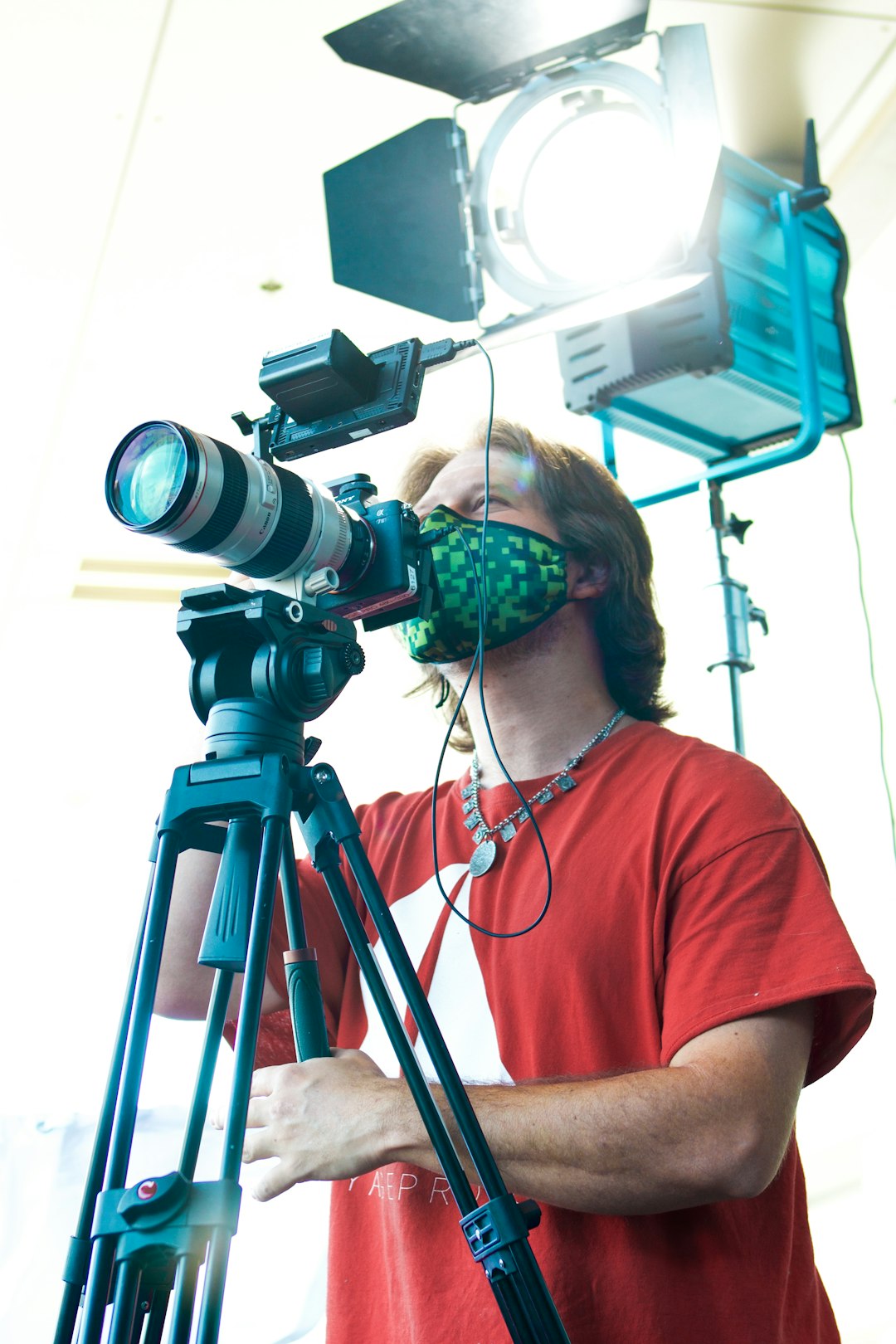
LED panels have revolutionized video lighting, offering cool operation, adjustable color temperature, and battery power options. Modern LED lights provide consistent output, long lifespans, and excellent color rendering. Invest in panels with high CRI ratings above 95 for accurate color reproduction.
Softboxes diffuse light sources, creating soft, flattering illumination ideal for interviews and talking-head videos. These modifiers attach to LED panels or continuous lights, spreading and softening the light output. Various sizes accommodate different shooting scenarios, with larger softboxes producing softer light.
Ring lights have gained popularity for beauty content, vlogs, and product photography. These circular lights create even, shadow-free illumination and produce distinctive catchlights in subjects' eyes. While not suitable for every situation, ring lights excel for specific applications requiring flat, even lighting.
Advanced Lighting Techniques
Rembrandt lighting, named after the famous painter, creates a small triangle of light on the shadowed side of the face. This dramatic technique works beautifully for portraits and interviews, adding depth and visual interest. Position your key light at a 45-degree angle and slightly above the subject, adjusting until the characteristic triangle appears.
Butterfly lighting places the key light directly in front of and above the subject, creating a small shadow under the nose resembling a butterfly. This glamorous technique flatters subjects with good bone structure and works well for beauty and fashion content. Use a reflector below the face to fill shadows and prevent them from becoming too deep.
Practical lights are visible light sources within your frame, such as lamps, candles, or neon signs. These elements add realism, depth, and production value to scenes. Use practicals strategically to motivate other lighting and create layered, three-dimensional environments that feel authentic and visually rich.
Color and Mood Through Lighting
Color gels transform white lights into colored sources, allowing you to create specific moods, match existing lighting conditions, or add creative flair. Warm amber gels simulate sunset or candlelight, while cool blue gels evoke nighttime or melancholy atmospheres. Complementary color schemes using opposite colors on the color wheel create dynamic, visually engaging scenes.
Motivated lighting refers to lighting choices that appear natural within your scene's context. If a window appears in your frame, your key light should come from that direction. Desk lamps, overhead lights, and other visible sources should motivate your lighting setup, creating believable environments that don't draw attention to the artifice of production.
Troubleshooting Common Lighting Problems
Hot spots occur when light reflects too intensely off surfaces, creating blown-out areas without detail. Reduce light intensity, change angles, or use diffusion to solve this problem. For subjects wearing glasses, adjust light positions to minimize reflections, or slightly tilt glasses downward if possible.
Mixed color temperatures create inconsistent, unflattering footage. Match all light sources to the same color temperature, or use gels to correct mismatches. When combining natural and artificial light, gel windows to match tungsten lights or use daylight-balanced LED panels to match window light.
Harsh shadows can be unflattering and distracting. Increase your fill light intensity, use larger light sources, add diffusion material, or bounce light off walls and ceilings to create softer illumination. Position subjects farther from backgrounds to prevent harsh shadow projection.
Building Your Lighting Kit
Start with essential equipment and expand as needs and budget allow. A basic kit might include two LED panels with stands, a reflector, and basic diffusion material. This setup handles most interview and content creation scenarios. As you grow, add more lights, modifiers like softboxes and grids, colored gels, and specialty equipment like ring lights or tube lights.
Consider renting specialized equipment for specific projects before purchasing. ProWave Studios offers comprehensive lighting packages for productions of all sizes, allowing you to access professional equipment without major capital investment. This approach lets you test different tools and determine what works best for your typical projects.
Conclusion
Mastering video lighting requires both technical knowledge and creative vision. Understanding light quality, implementing classic techniques like three-point lighting, and developing your ability to see and manipulate light transforms your video production capabilities. Practice these techniques consistently, study how professional productions utilize lighting, and don't be afraid to experiment with creative approaches.
Remember that the best lighting serves your story and subject. Technical perfection matters less than creating the right mood and effectively communicating your message. Whether you're working with natural light, basic LEDs, or professional studio setups, thoughtful lighting choices elevate your content and engage your audience more effectively than any other single production element.